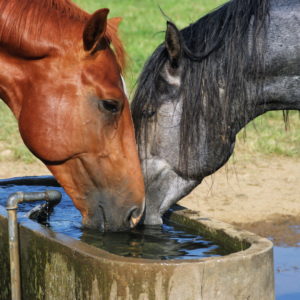
Keep your horse hydrated this winter with our 5 Tips to Get Your Horse to Drink More Water During Winter. Hydration is vital for every horse’s health, especially during colder months. Horses need 7-10 gallons of clean, fresh water daily, and cold or frozen water can reduce their intake. Decreased water consumption can lead to serious health issues, including colic caused by digestive blockages.
Our heated water trough maintains water temperatures between 45-65°F, the ideal range for maximum consumption. Say goodbye to frozen water and ensure your horse stays hydrated, even in freezing conditions. This product is safe, efficient, and easy to use. It includes a properly grounded heating element to prevent electrical shock, keeping both you and your horse safe.
Designed for durability, the system works in any environment, from barns to outdoor paddocks. It’s perfect for horses of all ages and activity levels, whether they’re grazing, training, or nursing a foal. Prevent digestive issues and keep your horse healthy with a reliable, free-flowing water source.
Keep your horse happy, healthy, and hydrated all winter long.
Here are few easy tips to assist with increasing your horse’s water intake:
- Wet your horse’s feed at a ratio of 2 parts feed to 1 part water. This can increase the hydration status of your horse.
- Offer a wet mash, every day, of soaked beet pulp shreds or pellets, timothy forage pellets or alfalfa forage pellets. If you are concerned about adding too many calories to an overweight horse’s diet, try soaking and offering teff forage pellets. Soak these forage or fiber sources at a ratio of 2 parts water to 1 part forage.
- Wetting down the long-stemmed hay you offer your horse can also boost water intake slightly.
- Flavoring your horse’s water can also encourage water intake, especially if you are traveling and have a picky drinker.
- Provide a salt block in your horse’s paddock or stall to help stimulate thirst.
Horses primarily eating hay will consume more water than those eating both hay and grain. Fiber increases the water holding capacity of the hindgut. Better quality hays, such as alfalfa, are typically higher in calories compared to grass hay. Other baled hay substitutes, such as forage cubes and pellets, can be fed to replace poor quality hay.
Standlee Premium Western Forage offers a wide variety of Alfalfa and Alfalfa mix products ranging from baled, long-stemmed forage, to cubes, pellets and chopped forage. Also available are Standlee Premium Smart Beet (beet pulp) shreds and pellets that increase the calorie content of the forage portion of the diet and are highly digestible.
If you have questions about how you can you to get your horse to drink more water during winter, please contact or visit Crockett Farm & Fuel today.
Based on article By Dr. Tania Cubitt
Standlee Nutritional Expert – Performance Horse Nutrition